
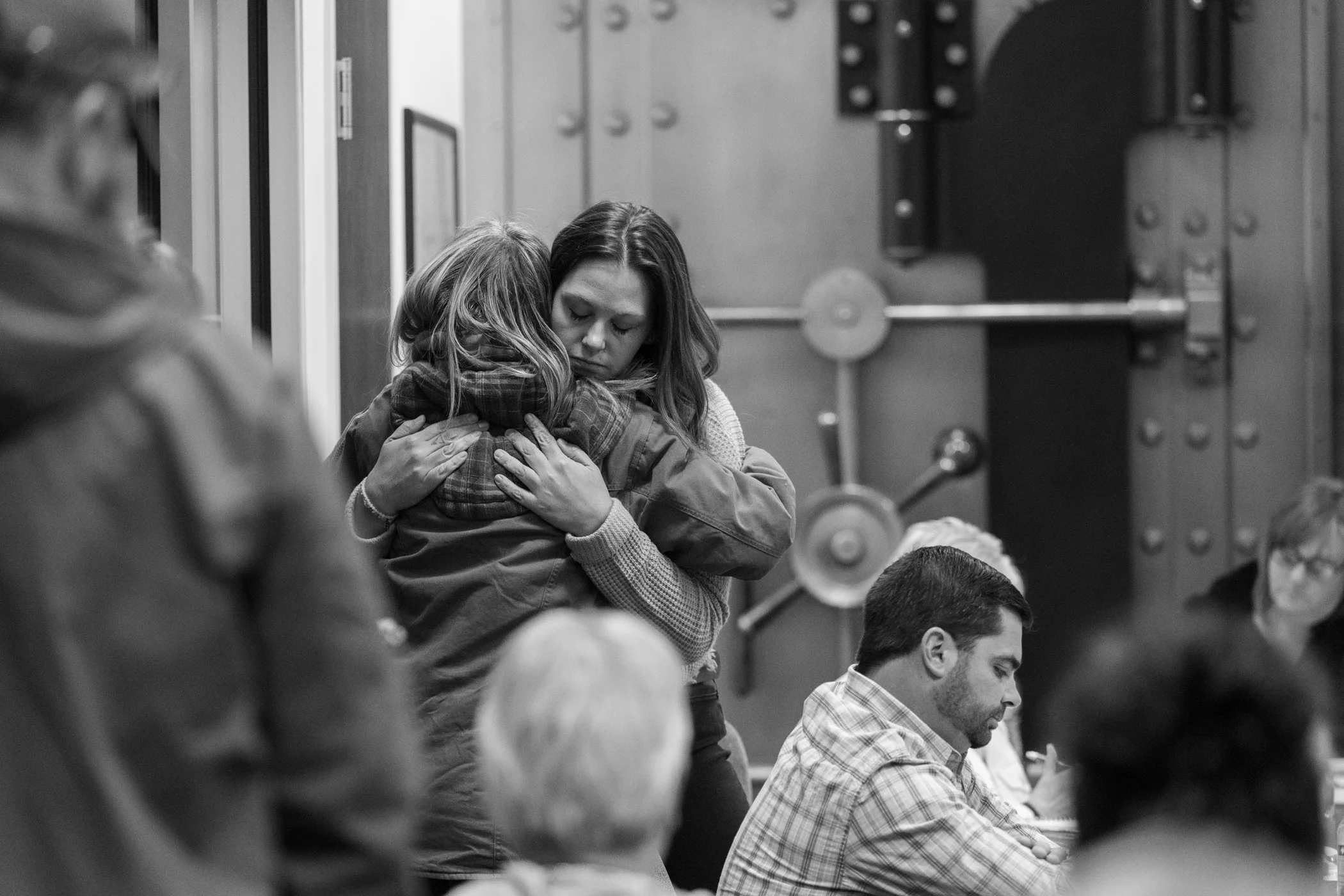
Our Work
Where Voice Becomes Change.
Disasters don't end when the emergency does. They change shape — from crisis to uncertainty, from uncertainty to the long, quiet work of rebuilding a life and a community.
The Disaster Voices Institute works alongside communities in that journey by translating lived experience into research, policy, and meaningful, lasting change.
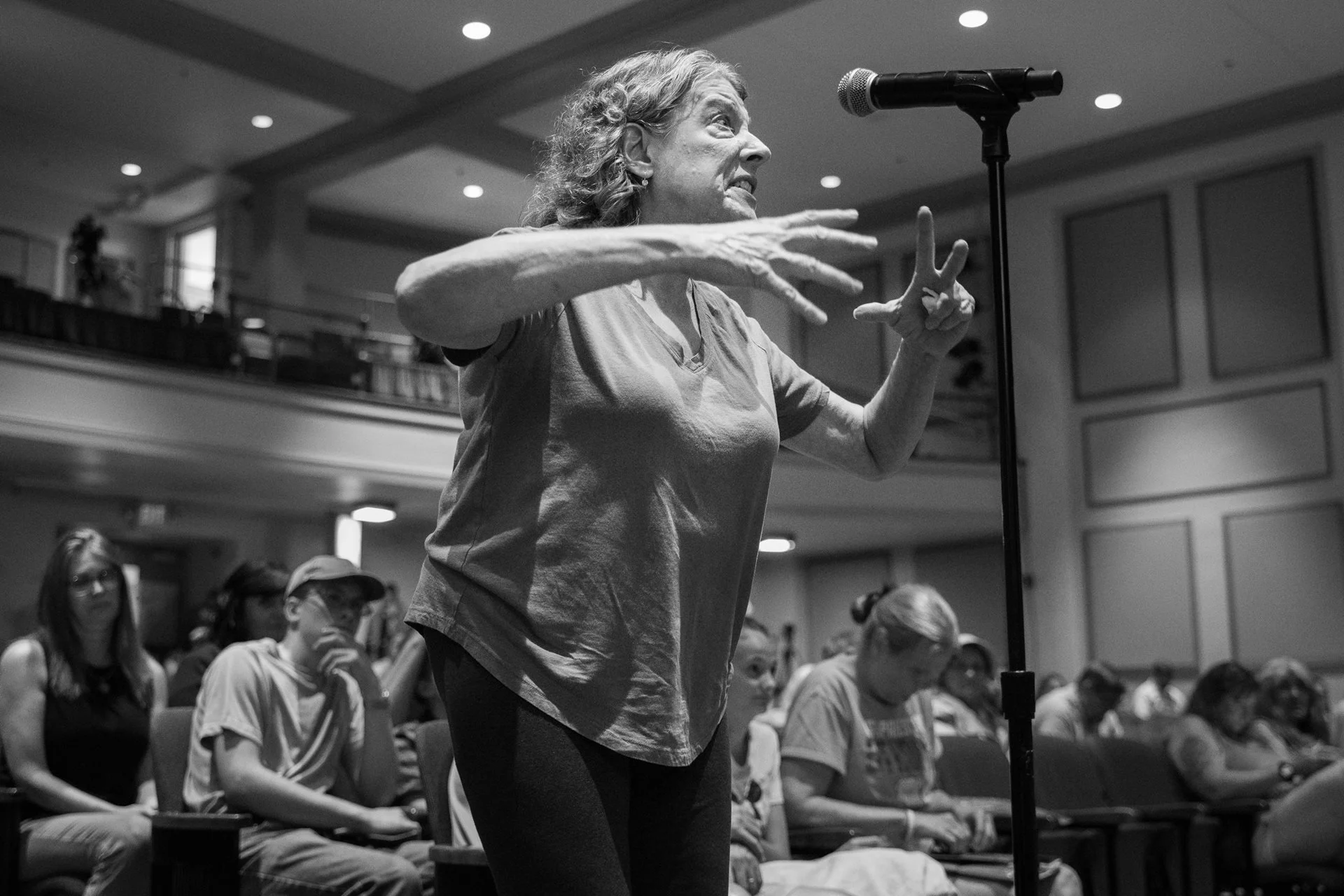
Listening First
Before there is research, there is a story. Before there is policy, there is a person — a family, a neighbor, a community member trying to make sense of what happened to them and what it has cost them.
We collect and document community stories in a systematic, intentional way — because lived experience is the foundation of everything we do.
We document:
What communities experienced during and after disaster
How disaster reshaped daily life, health, and relationships
What the response and recovery process looked and felt like from the inside
Where systems fell short and where they showed up
What communities needed that they never received
What they want policymakers, researchers, and the public to understand
Lived experience is not a supplement to the official account. it is the most complete one we have. Every story we collect informs our research, strengthens our policy work, and ensures that the people who lived through disaster are never reduced to a footnote.
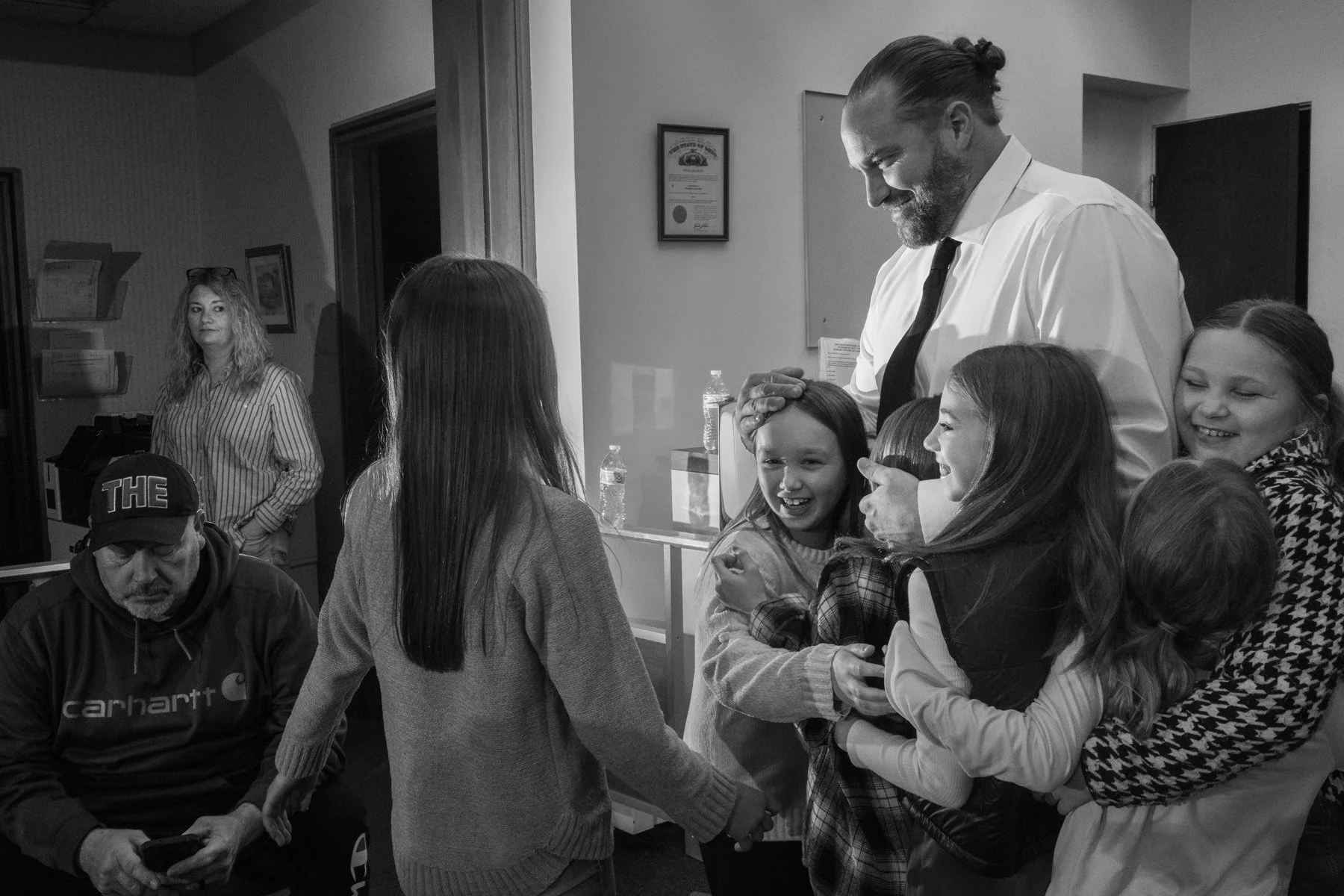
Family Impact Research
When a disaster strikes, the immediate crisis is visible — the fire, the flood, the chemical spill, the trainwreck. What is harder to see, and far harder to measure, is what happens to families in the months and years that follow.
The Disaster Voices Institute studies the long-term human consequences of disaster, beginning not with a hypothesis, but with the experiences of the people who lived through it and are still living with it today.
We examine:
How disaster changes what it feels like to be safe
Mental health and trauma outcomes
Family stability and displacement
Child development and educational disruption
Community cohesion and social trust
Long-term economic and health recovery
Our goal is to build a body of evidence that compels policymakers to see the full cost of disaster. Not just what is visible in the first 72 hours, but what communities carry for years afterward. When that evidence is finally in the room, better policy becomes possible.
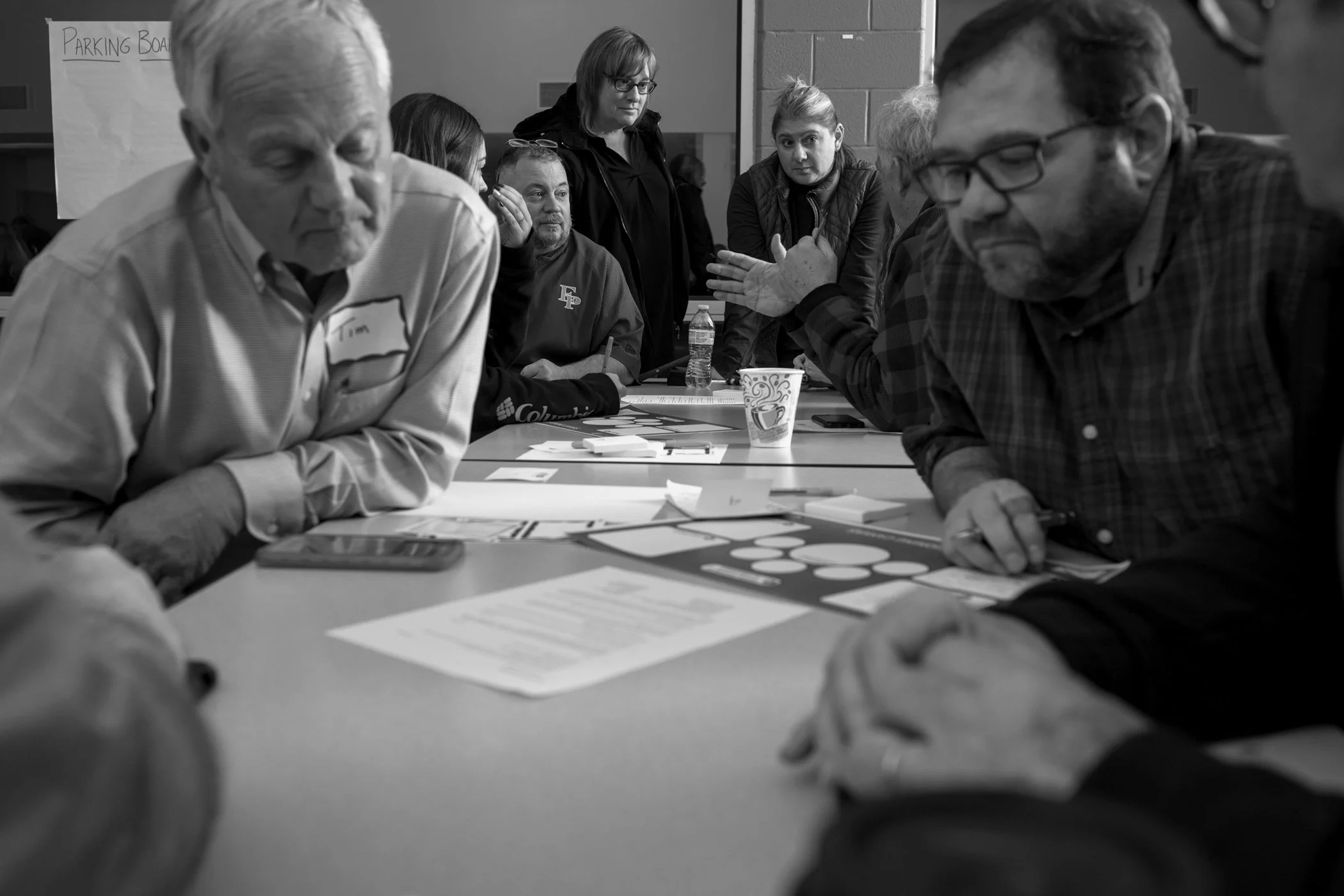
Replicable Disaster Framework
Every community that faces disaster starts from zero. They learn by trial and error, in real time, while they are still in crisis — figuring out how to navigate systems, engage with media, access resources, and make their voices heard in the rooms where decisions are being made about their lives.
It should not have to work that way.
The communities that have been through disaster before — that have fought for answers, built coalitions, and found their way into the rooms that matter — carry knowledge that is rarely written down and almost never passed on. It lives in the people who lived it. And when the next disaster strikes somewhere new, that knowledge stays behind.
The Disaster Voices Institute is changing that. We are building a framework — grounded in the experience of East Palestine and the communities that come after it — that gives future communities a head start. A set of tools, resources, and training developed from lived experience and designed to be used from day one.
Our framework addresses:
How to document and preserve community stories from the earliest days of a disaster
How to navigate federal, state, and local response systems
How to engage effectively with media and shape your own narrative
How to connect with policymakers and make lived experience heard in legislative spaces
How to build relationships with researchers and public health professionals who can support your community
How to sustain community engagement when the urgency fades but the need does not
This framework is not theoretical. It is built from real experience — from the mistakes made, the lessons learned, and the hard-won knowledge of people who navigated one of the most significant environmental disasters in recent American history without a guide.
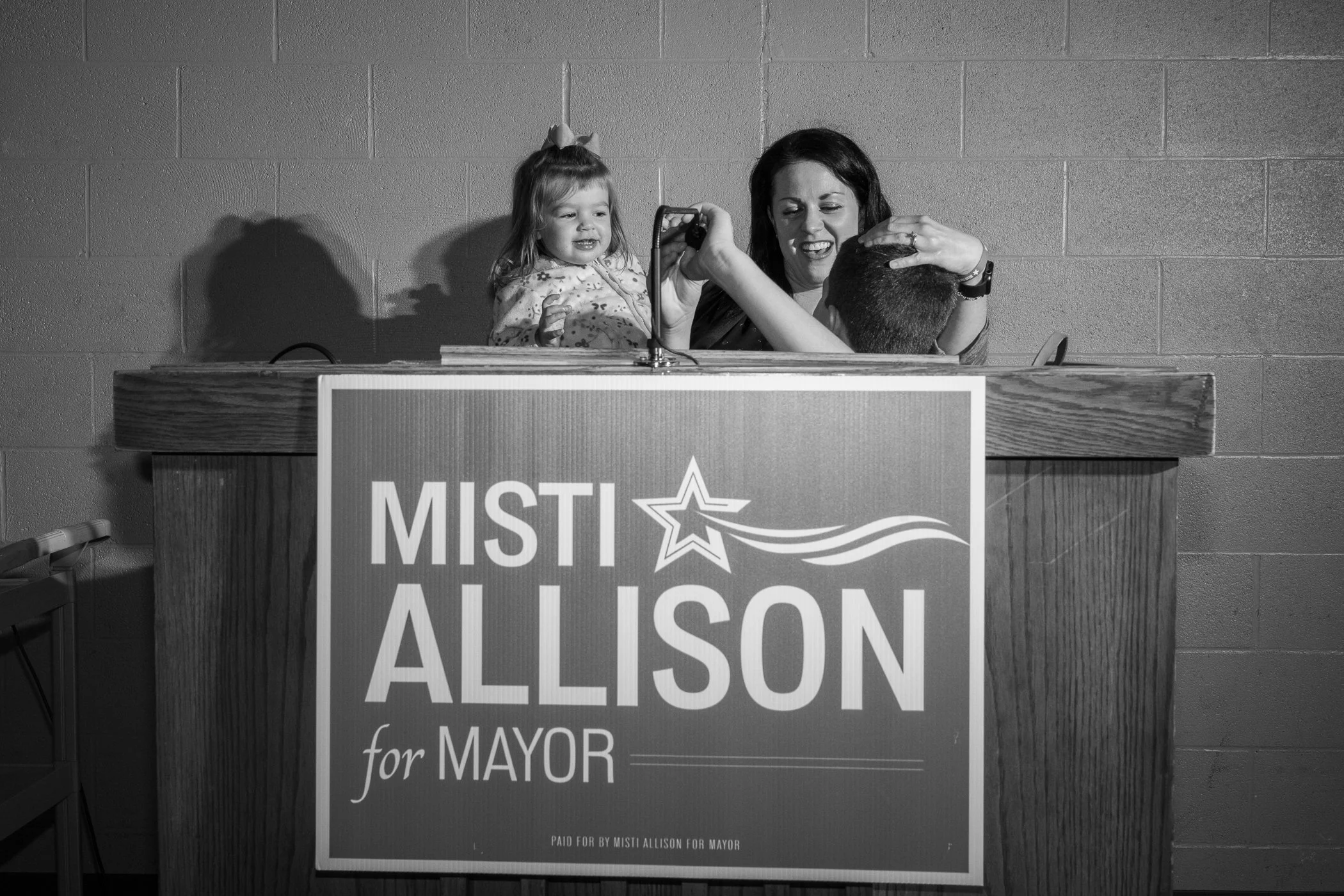
Policy & Systems Reform
Research matters only if it reaches the people who can act on it. But getting evidence into the right hands is never simple. It requires relationships, persistence, and the willingness to show up in spaces that were not designed with communities in mind.
The Disaster Voices Institute does not wait to be invited. We connect the evidence we gather, and the voices of the people who generated it, directly to the policymakers, legislators, and agency officials who write the rules governing disaster response and recovery. We translate lived experience into language that policy demands, and we bring community knowledge into the rooms where decisions are made. Because the gap between what communities experience and what policy requires is not just a research problem. It is a power problem.
Our policy work focuses on:
Disaster response accountability and enforcement
Long-term recovery policy and funding mechanisms
Public health protections in environmental and industrial disasters
Community-informed policymaking processes
Mental health integration in federal disaster frameworks
Corporate accountability for the long-term costs of disaster
We do not simply produce research. We testify before Congress. We convene policymakers and impacted communities in the same room. We advocate for legislative reform that reflects the real, long-term cost of disaster on families. And we train and support community members to engage in that advocacy themselves, because the most credible voice in any policy room is the person who lived through what the policy is supposed to address.
That voice has been missing from disaster policy for too long. We are here to change that.
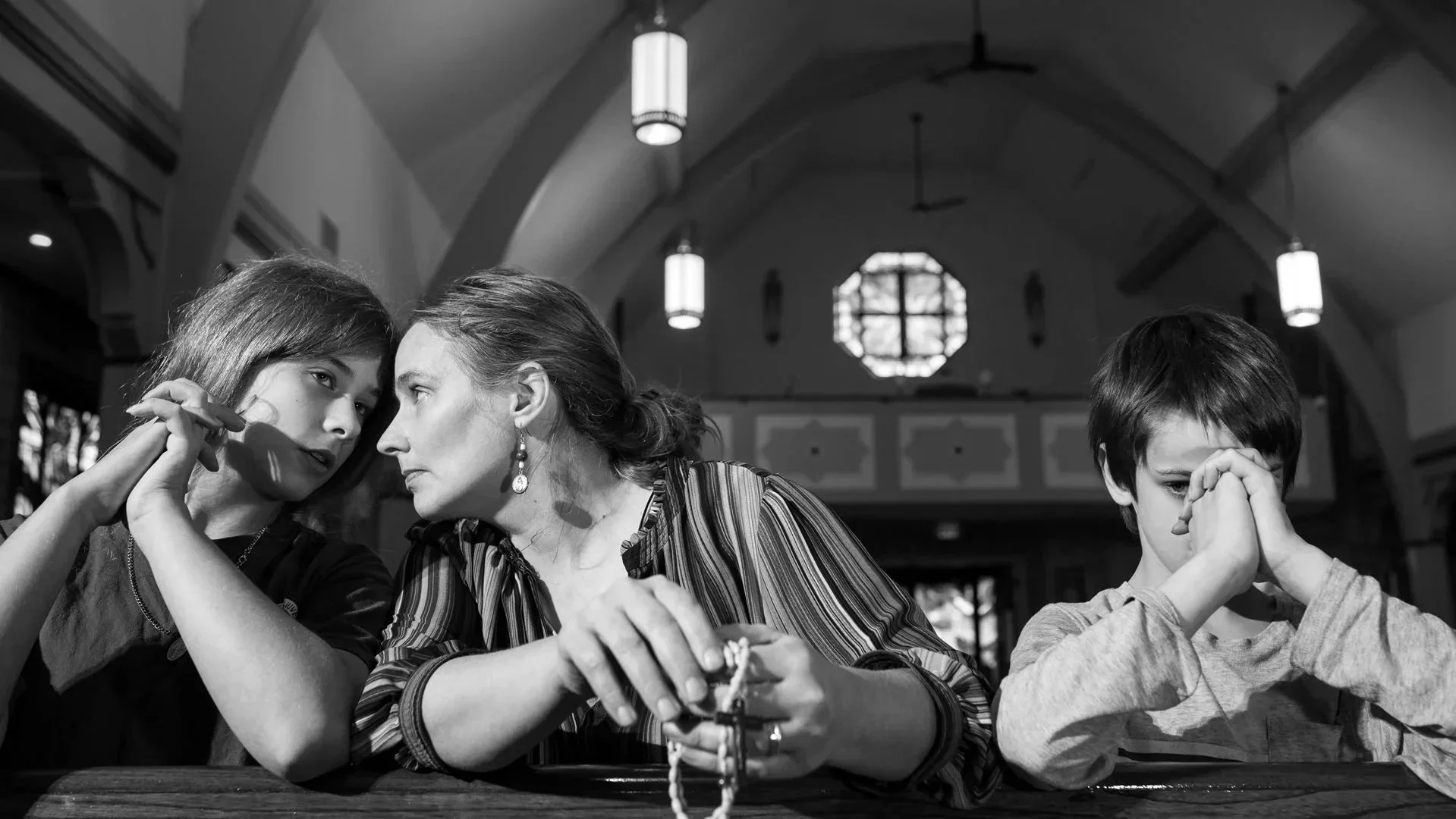
“Families deserve to understand long-term health implications. They deserve to have a massive effort made in preparation to safeguard not just their futures, but those of their children.”
— Misti Allison, Founder, Disaster Voices Institute