
Misti Allison’s Story: I Was Putting Kids to Bed When Everything Changed
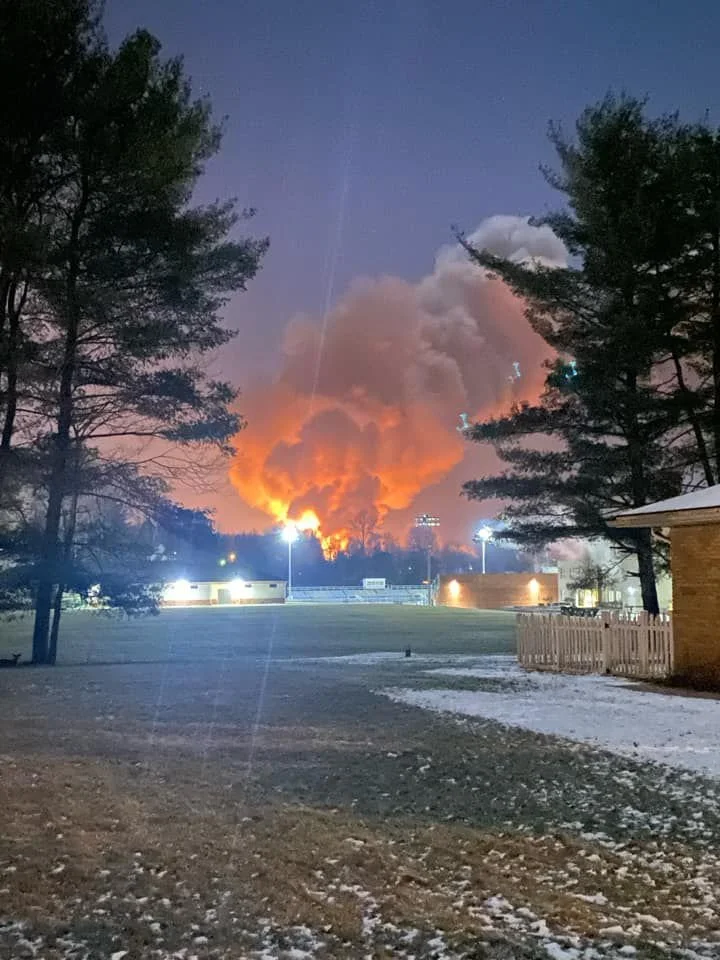
I was putting my one-year-old daughter to bed when my phone started lighting up.
It was February 3, 2023. My sister-in-law had texted the family group chat — a train had derailed in town. My husband went outside. From the end of our driveway, less than a mile away, he could see giant flames and smoke shooting into the sky. I remember looking at that and thinking: this is not just a car getting hit by a train. There was something seriously wrong.
That night, we were more worried about the fire than what was on the train. That changed the next day.
I have a healthcare and science background. So when word spread that vinyl chloride — a known carcinogen — had been on that train, I looked up the data sheets. I read what I found. And then I sat with what I knew, in the town where my children were sleeping, and I understood that the road ahead was going to be long.
I describe myself as an introvert. I did not grow up imagining I would testify before the United States Senate or write op-eds for national publications or spend years of my life doing what I have been doing since that night. But somewhere in the weeks that followed the derailment, something shifted. People were suffering. They had questions no one was answering. They deserved someone who could help translate what was happening — not just to neighbors, but to the people in Washington writing the rules that were supposed to protect us.
And I kept thinking: how can you say no to something like that? How can you say no when somebody wants you to speak up for all these people who are suffering?
So I said yes. And then I kept saying yes.
I testified before Congress twice. I joined Moms Clean Air Force. I served on the Columbiana County Health Board. I became part of a long-term health tracking study led by the University of Kentucky — collecting biological samples, testing indoor air quality, and trying to build the kind of evidence base that forces systems to pay attention. I ran for mayor of my hometown. I wrote about what was happening to my community in TIME Magazine and The Hill and anywhere else that would publish it.
I did all of it because families in East Palestine — my neighbors, my friends, the parents of my children's classmates — deserve to understand the long-term health implications of what happened to them. They deserve to have a massive effort made to safeguard not just their futures, but those of their children.
But the longer I did this work, the more I kept coming back to one thought: what about the next community?
Because here is the truth — and I have said it publicly because it needs to be said. Everybody is looking at East Palestine because we never thought this could happen here. But this could happen anywhere in the United States. Any town. Any family. Any child put to bed on a quiet February night.
And when it does, that community will start from zero. They will try to figure out — in real time, while they are still in crisis — how to navigate systems that were not built for them, how to make their voices heard in rooms they were never invited into, how to hold onto their health and their dignity and their sense of safety when everything around them is uncertain.
They will do what we did. They will learn by trial and error. And some of those errors will cost them.
That is what I could not accept. That is why I built the Disaster Voices Institute.
My mom always told me: you either find a way or you find an excuse. She passed away in the midst of all of this — and I carried her words with me into every hearing room, every meeting, every moment when it would have been easier to stop. Find a way. Not an excuse.
The Disaster Voices Institute is the way.
It is built from everything East Palestine taught me — about what communities need, what systems fail to provide, and what becomes possible when lived experience is finally treated as the evidence it has always been. It is built for the community I don't yet know the name of, in the town I have never visited, where a family is going about their life right now with no idea that everything is about to change.
I want that family to know that there is already something being built for them. That there are people who will walk alongside them. That their story will matter — not just to their neighbors, but to the researchers and policymakers who have the power to make sure it never happens the same way again.
This disaster opened my eyes to the ways your environment affects your health, your family, your sense of home. It opened my eyes to the gap between what communities experience and what systems are designed to do about it.
I am spending my life trying to close that gap.
That is what Disaster Voices Institute is. That is why it exists. And I am just getting started.
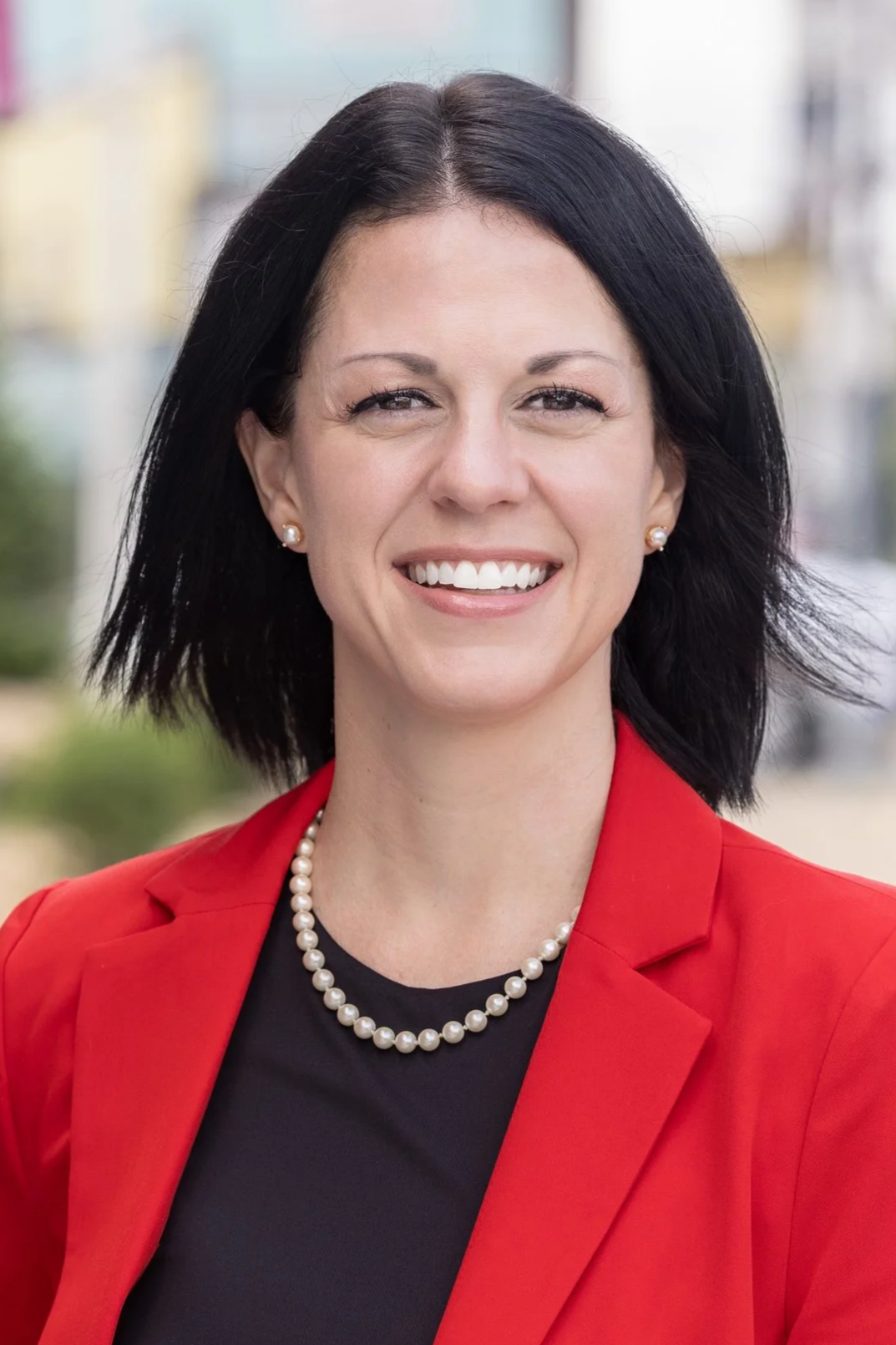
Misti Allison is the Founder and Executive Director of the Disaster Voices Institute and a resident of East Palestine, Ohio
.